Good Readable Content: How To Build A Daily Habit Tracker In Trello (And Reach Those Goals!)
Bad Readable Content: How To Use Trello for Video Production Project Management
When choosing the two writing pieces for this assignment, sources I used in my own blog post about project management immediately came to mind. Why? Because they are fundamentally the same, yet I distinctly remember liking one much more. While at the time the reasons were not so obvious, the Australian Government’s Content Structure Guide and the first few chapters of William Zinsser’s On Writing Well explain my first impressions.
First of all, the structure in the “bad” content shares a skeleton with the “good”, but makes several of the mistakes the structure guide warns of. The content does look good on mobile devices, but is an annoyance to read on desktop with the website’s banner and menu taking up about 20% of the screen. The paragraphs do allow for white space, but perhaps too much. At times, his writing feels sporadic when almost every sentence is a new paragraph. The same can be said for the visuals he uses, there is no clear reason to why he uses the visuals he does and they do not add anything to his article. The author’s subheadings were present, but did not front load key words. What is most noticeable about this writing is the inconsistency of his format, particularly when it comes to listing.
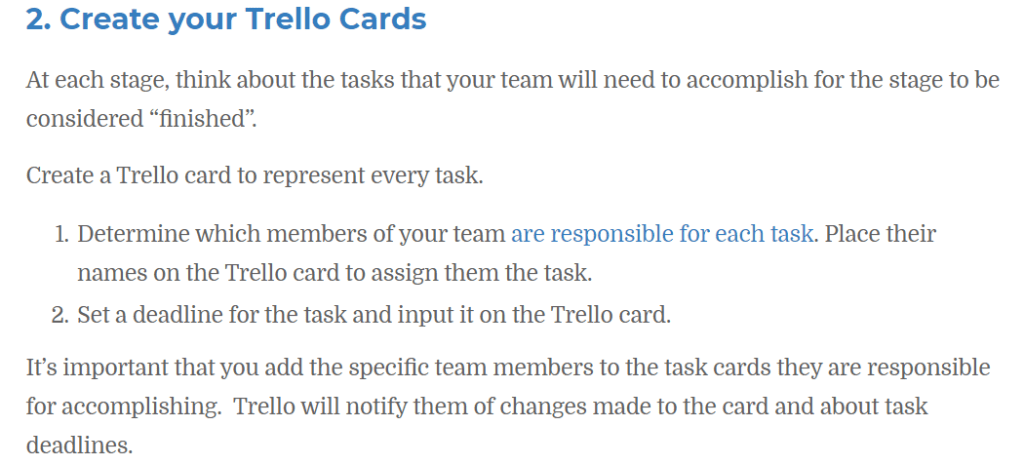
The “good” article has a much cleaner and understandable format. Her subheadings were clear and effective. The directions she gives are easy to follow since her use of lists is optimal. To enhance understanding, she has plenty of useful visuals. However, the reader could still get by without them.

The differences in structure are dramatic enough, but where the “good” piece is really good is in the style of writing. Even though the content is a simple how-to, the reader feels connected to the writer of the “good” piece because she had good style. According to Zinsser, the more you believe in you identity and opinions the better your writing will be. I was drawn to her content because she wrote like she was an actual human. I felt that she was genuine. On the other hand, the “bad” writing seemed to have no identity. It did its job in a how-to standpoint, but it did not stick out to me. In fact, the only reason I remember this content is because it was a foil of the article that was so memorable to me.
 Emma Lao